

"I now laugh at the days I felt ashamed, thinking people would say, 'Is a father really supposed to do housework?'"
For Zahir, change didn’t happen overnight; it began with small moments of awareness. While leaving his life in Syria behind to build a new one with his family in Türkiye, he hadn’t realized for a long time that the bulk of the household and childcare responsibilities rested on his wife’s shoulders. He worked in the fields, and upon returning home, he would shake off his exhaustion by resting. His time with his children was limited, and he had never truly considered how he could contribute to their development.
After participating in Social and Behaviour Change (SBC) sessions, Zahir realized that children’s early learning processes are shaped not only at school but also at home and within the flow of daily life. He learned just how decisive parental interaction is for a child's learning and development.
Seeing that almost all household responsibilities belonged to his wife during the 'Basket Activity' was a turning point for him. Yet, this awareness did more than just encourage him to share the housework; it also guided him to start learning alongside his children.
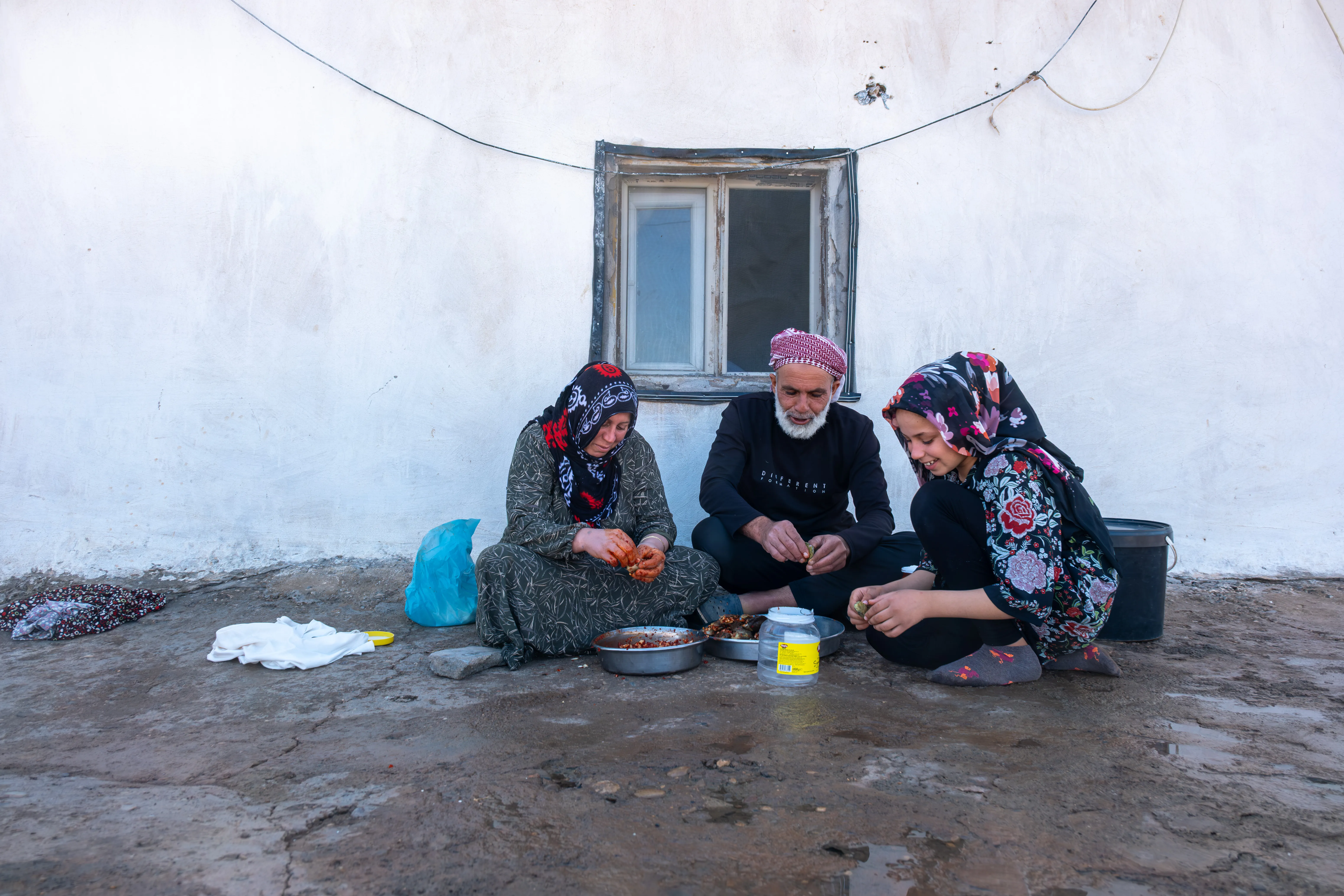
He recalls a time when he felt ashamed, fearing others might ask, 'Is a father really supposed to do housework?' Today, however, he says he is never alone when he steps into the kitchen—because his children are right there by his side.
Together, they wash vegetables while cooking, set the table, and sometimes even knead dough. In these moments spent together, the children try to teach Zahir the Turkish they’ve learned at school, while Zahir helps them with their studies. For Zahir, these small moments are no longer just 'housework'; they represent a powerful bond with his children and a meaningful contribution to both theirdevelopment and his own."

Throughout this process, his children are having fun and learning. As they take on small tasks, their hand-eye coordination improves, fine motor skills are strengthened, and problem-solving abilities grow. They are also learning how to take responsibility, collaborate, and express themselves.
Zahir notices that these moments—especially those spent with his daughters—significantly boost their self-confidence. His children now talk to him more, ask more questions, and eagerly look forward to the time they spend together.
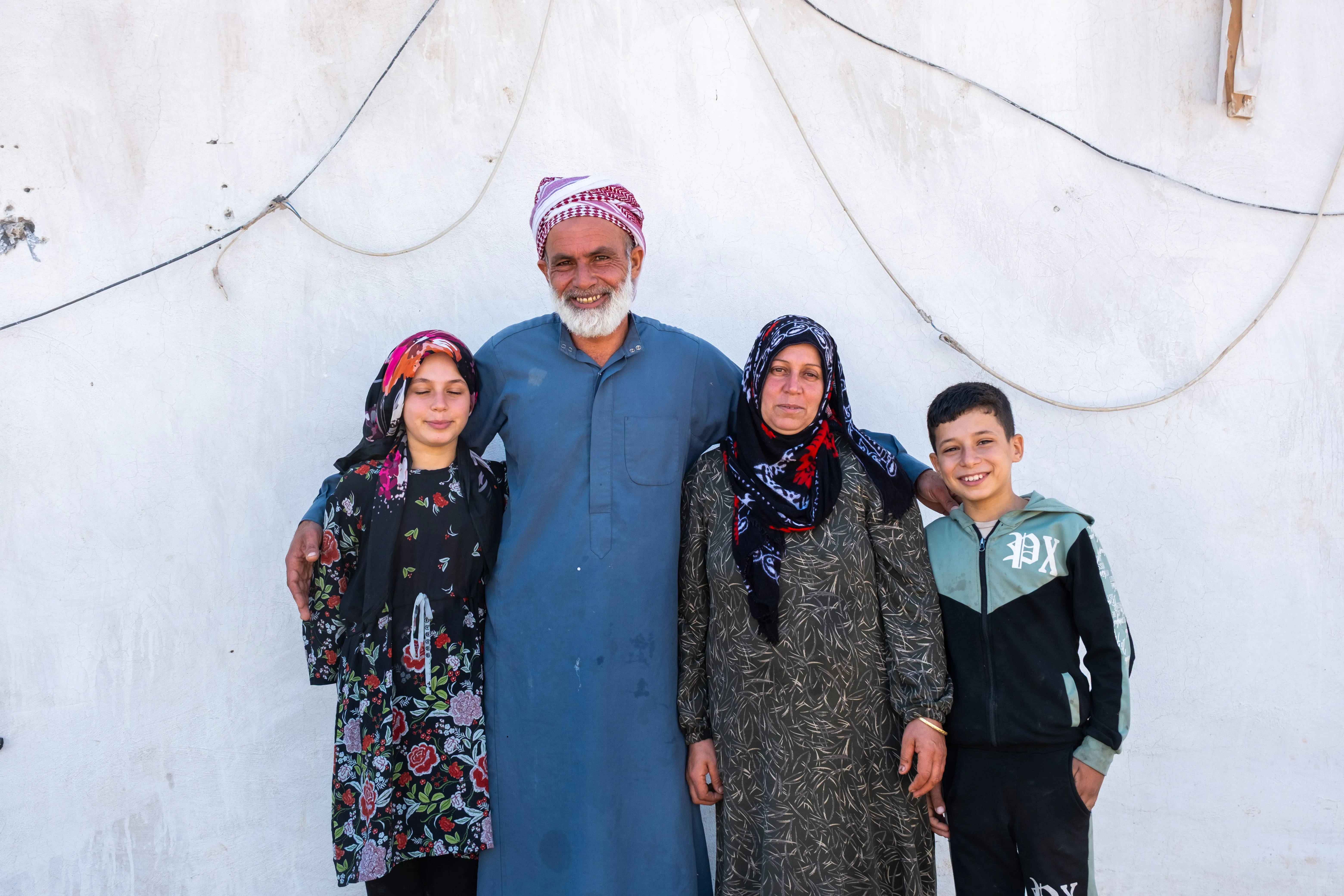
For Zahir, fatherhood is no longer just about fulfilling responsibilities; it means nurturing his children’s development every day, learning alongside them, and becoming one of the most vital guides in their lives.
This transformation is a tangible example of the Social and Behavior Change (SBC) program’s impact on the ground.
Communications Expert - Şerif ARSLAN


